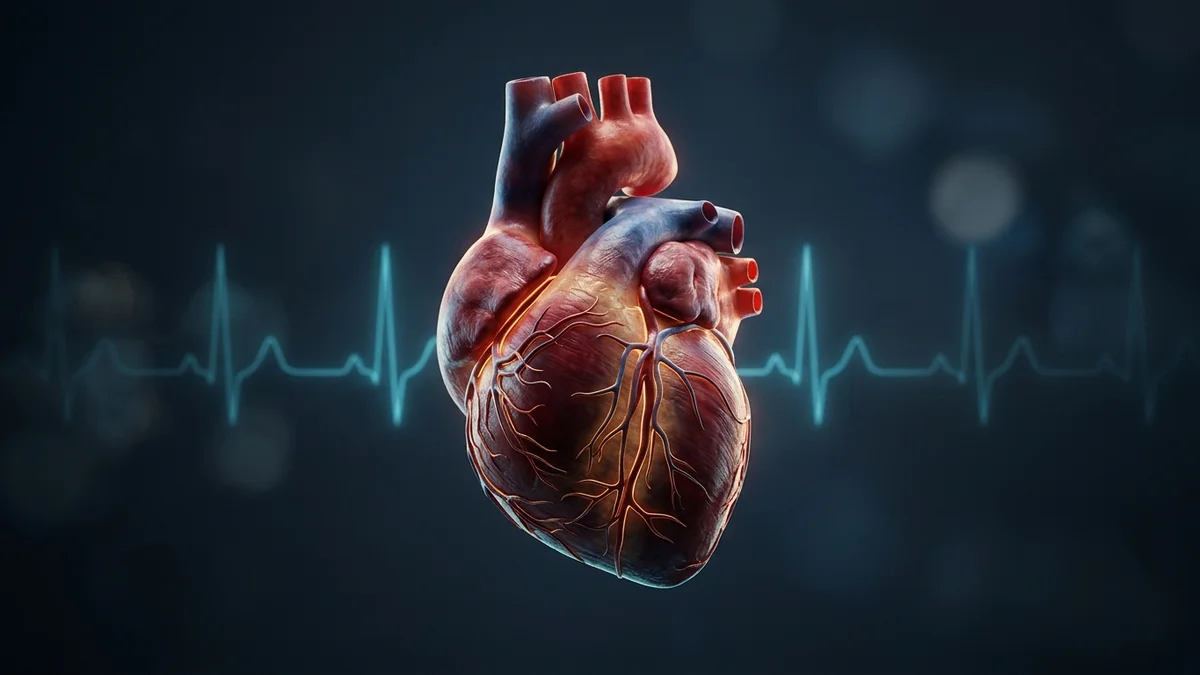
3 Signs That May Appear in the Final 24 Hours of Life
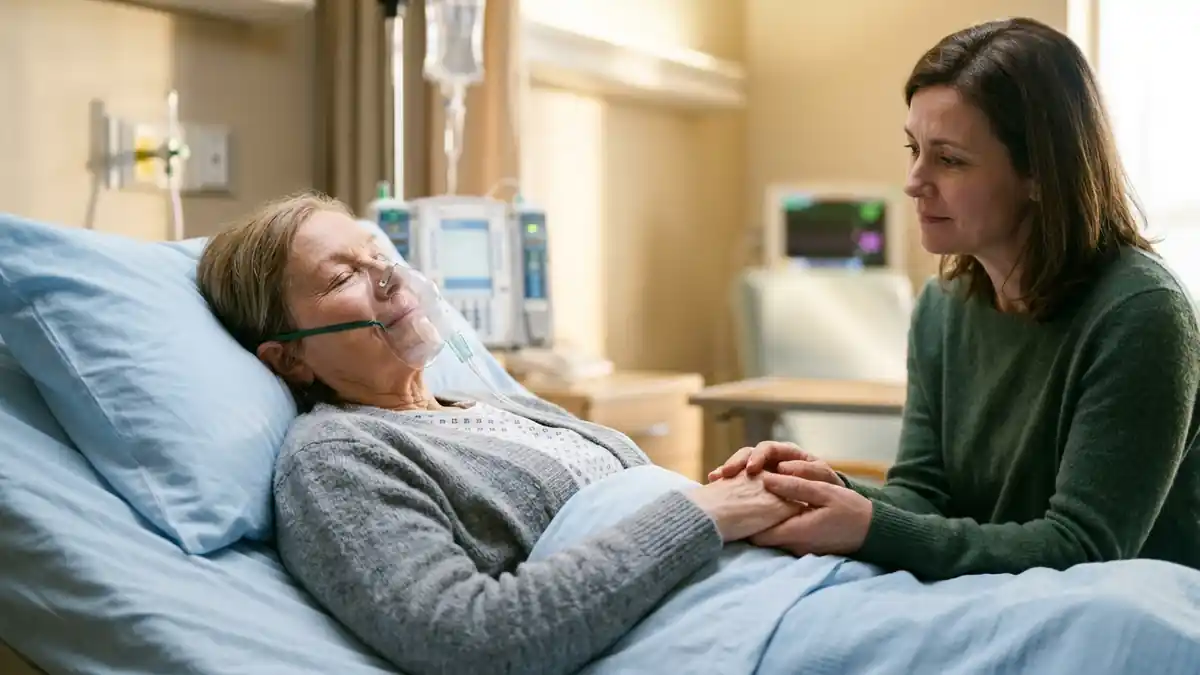
As the body nears the end of life, natural physiological changes occur as vital organs gradually slow down. For families and caregivers supporting a loved one in palliative care, recognizing these signs of approaching death brings comfort and understanding. However, physical experiences vary considerably and cannot reliably predict an exact time of death.
1. Changes in Breathing
Noticeable changes in breathing before death often become apparent in the closing stages. Respirations may alternate between rapid breaths, shallow cycles, and pauses known clinically as Cheyne-Stokes respiration. As swallowing reflexes decrease, saliva can collect at the back of the throat, causing noisy breathing. Palliative specialists reassure families that this sound is expected and does not mean the person is in distress, choking, or physical pain.
2. Reduced Responsiveness and Increased Sleepiness
Dying individuals spend increasing amounts of time sleeping as metabolic energy declines. As one of the recognizable signs in the final hours of life, they often become drowsy, withdraw from conversations, or slip into gentle unconsciousness. While it is impossible to confirm what an unresponsive person senses, families can continue speaking calmly, holding their hand, and offering reassuring words of comfort.
3. Changes in Skin Colour and Circulation
As circulation slows, blood flow naturally prioritizes vital internal organs over the extremities. Hands and feet may feel noticeably cooler, while skin may appear pale, slightly bluish, or mottled with purplish patches. These circulatory shifts are expected near life's end, though similar signs can also stem from treatable cardiovascular conditions or early signs of heart problems.
Can These Signs Predict Death Within 24 Hours?
No definitive combination of symptoms before death guarantees that passing will occur within a rigid 24-hour window. Physiological changes unfold on distinct individual timelines: some people exhibit these indicators for several days, while others show subtle shifts only in their closing hours. Healthcare teams always evaluate the total clinical picture rather than relying on isolated physical signs.
How Families Can Provide Comfort
Providing compassionate support during end of life signs focuses on comfort, dignity, and calm presence:
- Speak gently and offer comforting words of reassurance.
- Follow guidance from the palliative care and hospice team.
- Maintain a serene, comfortable room with soft ambient lighting.
- Provide gentle mouth care with moist swabs to prevent dryness.
- Avoid forcing food or fluids when swallowing reflexes decrease.
- Notify nurses promptly if the person appears restless or uncomfortable.
When to Seek Medical Help
Expected changes in someone receiving palliative care differ greatly from acute medical emergencies. Sudden breathing difficulty, acute unresponsiveness, or blue lips in an otherwise stable person requires immediate emergency medical attention rather than assuming natural decline.
Final Thoughts
Understanding what happens in the last 24 hours of life replaces anxiety with peaceful presence. Focusing on loving comfort, gentle touch, and palliative guidance ensures dignity, emotional peace, and profound respect throughout life's final transition.
Medical Disclaimer: This article is provided for educational and informational purposes only and does not replace professional medical judgment, diagnosis, or personalized palliative care. In sudden medical emergencies, seek immediate emergency care.
Authoritative Clinical References
Leave a Comment
Your email address will not be published. Required fields are marked *