
10 Early Warning Signs of Heart Problems You Shouldn't Ignore
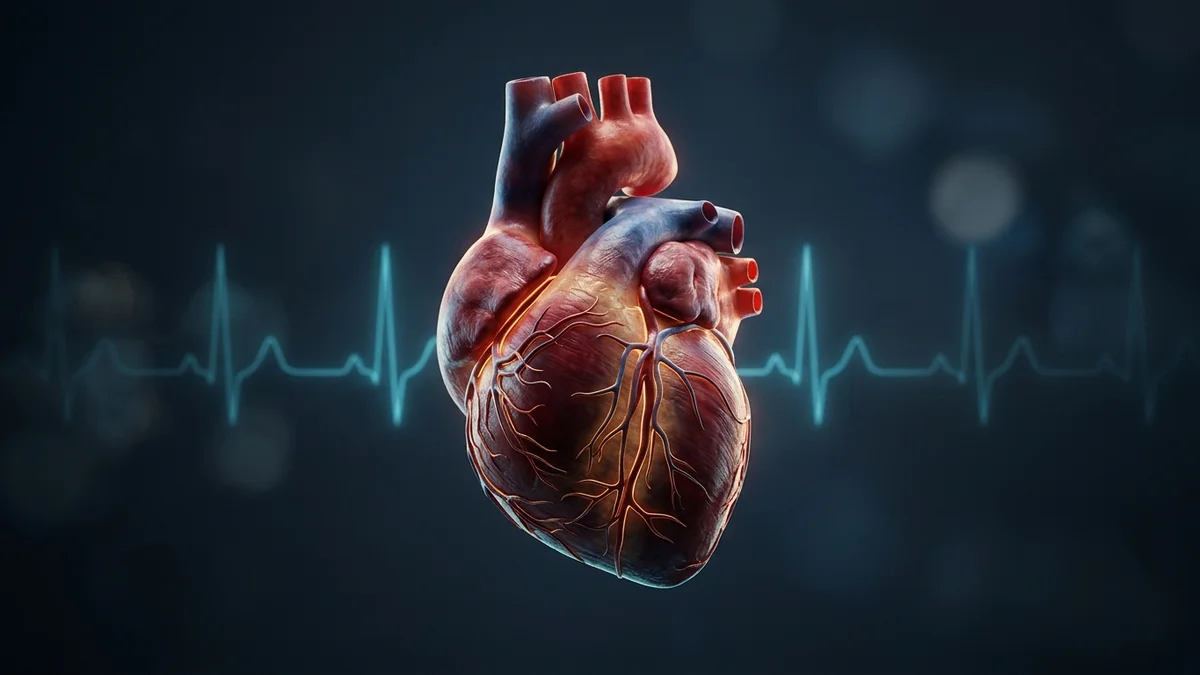
Your cardiovascular system often signals subtle functional changes long before a major cardiac event occurs. Recognizing the early signs of heart problems provides an essential window to evaluate heart health, manage reversible risk factors, and protect long-term cardiovascular function.
10 Early Warning Signs of Heart Problems
- Shortness of Breath: Feeling unusually winded during routine tasks like climbing stairs often suggests the heart is struggling to circulate oxygenated blood efficiently.
- Unusual Fatigue: Overwhelming exhaustion unrefreshed by rest occurs when declining cardiac output forces the body to divert blood away from working muscles.
- Swelling in Feet, Ankles, or Legs: Known as peripheral edema, persistent lower-extremity fluid accumulation happens when reduced pumping capacity causes venous pooling.
- Chest Discomfort or Pressure: Tightness, squeezing, aching, or heaviness across the chest—especially during physical exertion—is a primary clinical indicator of coronary artery disease.
- Rapid or Irregular Heartbeat: Heart palpitations, fluttering, or skipped beats may reflect cardiac arrhythmias or conduction abnormalities requiring clinical review.
- Dizziness or Lightheadedness: Sudden unsteadiness or fainting spells (syncope) typically stem from transient decreases in blood flow to the brain.
- Difficulty Breathing While Lying Flat: Termed orthopnea, needing extra pillows to rest comfortably often indicates fluid buildup in the lungs from early heart failure.
- Persistent Cough or Wheezing: A lingering cough with white or pinkish mucus can signal pulmonary congestion as the heart struggles to clear returning blood.
- Sudden Unexplained Weight Gain: Rapidly gaining two to three pounds within 24 hours usually points to acute fluid retention rather than body fat.
- Reduced Exercise Tolerance: Workouts or everyday walks that once felt effortless suddenly causing exhaustion highlights declining cardiovascular endurance.
Understanding Symptoms: Heart Failure vs. Heart Attack
These warning signs do not automatically confirm heart disease; conditions like anemia or thyroid disorders can mimic them. While persistent fatigue and swelling characterize gradual heart failure, acute crushing pain radiating to the arm, neck, or jaw signals a medical emergency.
When Should You Seek Medical Help?
Schedule an evaluation if symptoms are persistent, new, or interfering with daily life. Routine cardiovascular screenings and healthy habits—including cutting dietary added sugars and optimizing nightly sleep duration—can significantly strengthen cardiovascular resilience.
Emergency Warning: Severe chest pain, sudden breathlessness, cold sweats, or collapse requires immediate emergency care (call emergency services or go to the nearest emergency room).
Medical Disclaimer: This article is published for educational purposes only and is not a substitute for professional medical diagnosis or treatment.
Authoritative Clinical References
Leave a Comment
Your email address will not be published. Required fields are marked *