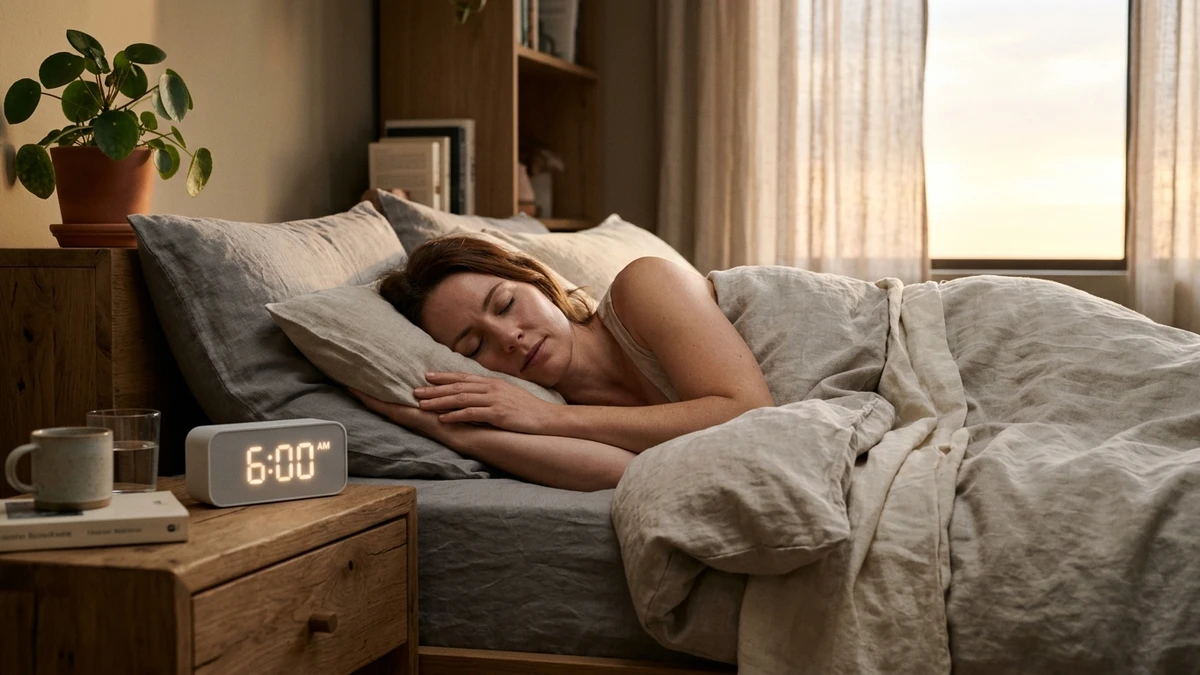
The 8-Hour Sleep Rule Isn't for Everyone: How Much Sleep Do You Really Need?
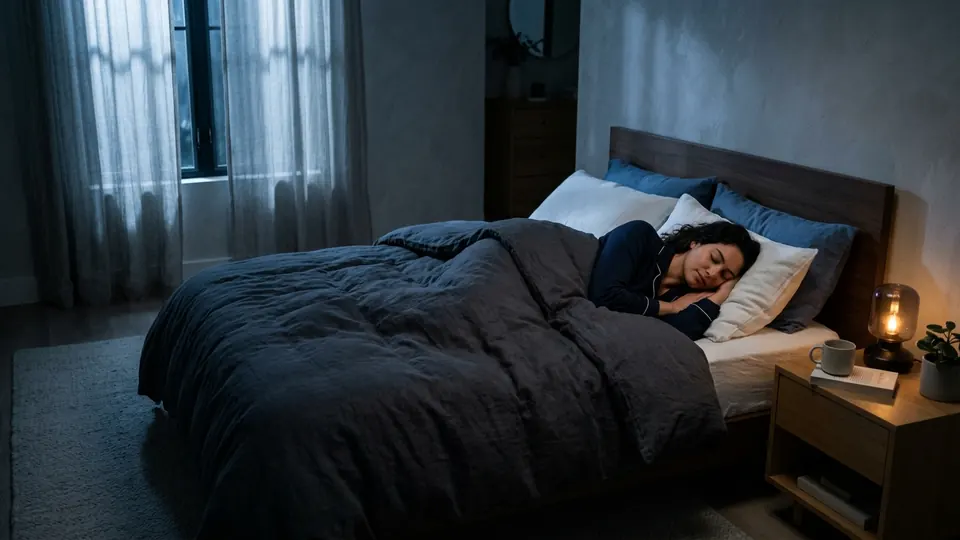
Do you actually need exactly eight hours of sleep every single night to stay healthy? While the famous "eight-hour rule" remains a helpful benchmark, sleep scientists emphasize that sleep is not one-size-fits-all. Individual biological needs, age, genetics, and daily exertion determine your optimal rest.
Is the 8-Hour Sleep Rule Really Necessary?
The eight-hour sleep target originated as a convenient societal guideline rather than an inflexible biological mandate. Sleep medicine experts from the American Academy of Sleep Medicine agree that most healthy adults require between 7 and 9 hours of shut-eye per night. Regularly clocking at least 7 hours promotes cellular recovery and immune resilience, though routinely functioning on 5 to 6 hours leaves most adults chronically sleep-deprived, as seen when sleeping 6 hours a night.
How Much Sleep Do You Need by Age?
Your biological sleep requirement changes significantly across the lifespan, according to clinical consensus from the CDC:
| Age Group | Recommended Sleep per 24 Hours |
|---|---|
| Children (6–12 years) | 9–12 hours |
| Teenagers (13–17 years) | 8–10 hours |
| Adults (18–60 years) | At least 7 hours |
| Adults (61–64 years) | 7–9 hours |
| Adults (65+ years) | 7–8 hours |
Signs You're Not Getting Enough Sleep
If you wake up tired despite logging hours in bed, your body may be signaling insufficient rest. Common indicators include:
- Persistent daytime drowsiness and afternoon brain fog
- Difficulty focusing or making executive decisions
- Heightened irritability and mood fluctuations
- Relying heavily on multiple caffeinated drinks to stay alert
- Weakened immunity and cardiovascular strain, including early signs of heart problems
Sleep Quality Matters as Much as Quantity
Spending eight hours in bed offers little restorative benefit if your sleep architecture is fragmented. Continuous, deep slow-wave and REM sleep cycles restore brain tissue and balance metabolic hormones. If you experience loud chronic snoring, gasping for air, or persistent morning exhaustion, speak to a physician to evaluate for sleep apnea.
How to Improve Your Sleep Quality
Small behavioral changes can dramatically enhance restorative sleep:
- Keep a Fixed Schedule: Wake up and sleep at identical times daily, including weekends.
- Cut Late Caffeine: Avoid coffee and energy drinks within six hours of bedtime.
- Optimize the Bedroom: Keep your room cool, pitch-black, and whisper-quiet.
- Ditch Evening Screens: Limit blue light exposure from phones and tablets 45 minutes before sleeping.
Final Takeaway
The ideal sleep duration varies naturally from person to person. While eight hours is a sensible target, listening to your daytime energy levels and ensuring uninterrupted sleep quality is far more impactful than obsessing over an exact number.
Medical Disclaimer: This article is provided for informational and educational purposes only and should not replace personalized medical advice from a qualified healthcare professional.
Authoritative Clinical References
Leave a Comment
Your email address will not be published. Required fields are marked *