What Is Ecommerce? How Online Shopping & Selling Works (2026 Step-by-Step Guide)

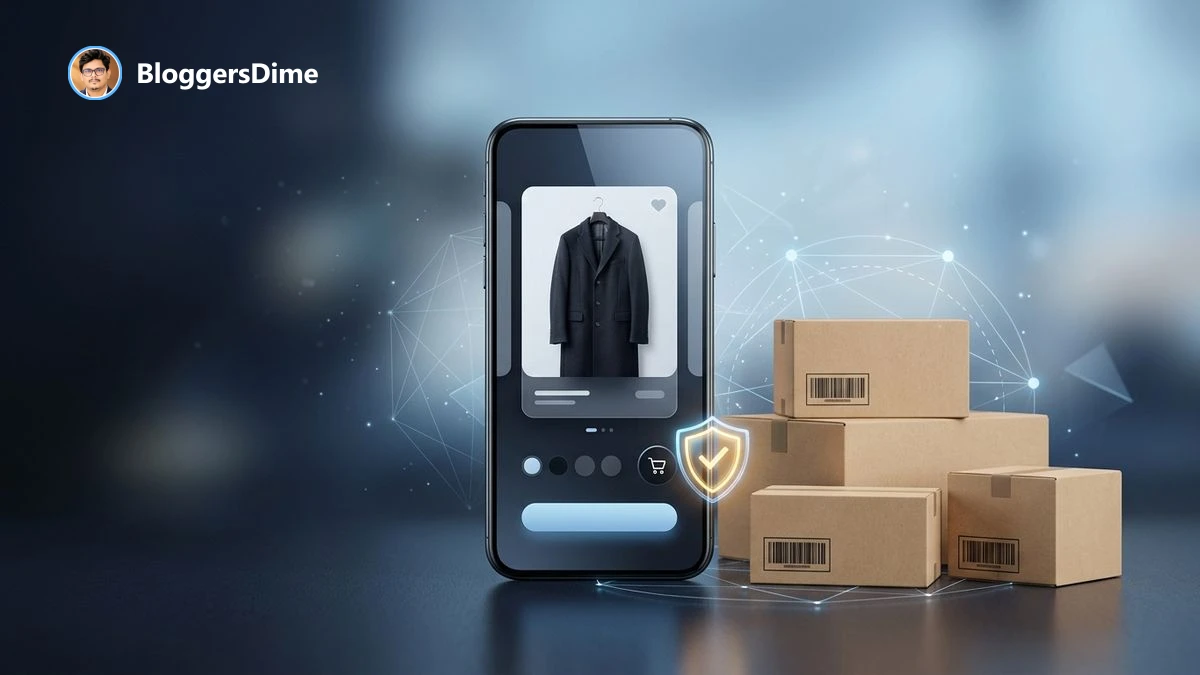
Over 2.7 billion people worldwide now shop online regularly — ordering everything from cutting-edge consumer tech and sustainable fashion to daily groceries and digital software straight from their smartphones and laptops. Projected to surpass $6.3 Trillion globally by 2026, the digital commerce ecosystem is the driving engine of modern global retail, powered by high-speed mobile connectivity, instant one-click digital checkouts, and automated worldwide fulfillment networks.
⚡ 30-Second Quick Summary (Key Takeaways)
- What Ecommerce Means: The commercial buying and selling of physical goods, digital products, or services over the internet using digital checkout and door-to-door delivery.
- The 4 Fundamental Pillars: Product Discovery (Web Store / App) → Payment Gateway (Apple Pay, Stripe, PayPal) → Warehouse Fulfillment → Logistics Carrier (Last-Mile Delivery).
- The Global Market Shift: Rapid evolution from traditional 3-5 day delivery to same-day dispatch, omnichannel Direct-to-Consumer (D2C) brands, and frictionless social commerce (TikTok Shop, Instagram Shopping).
- Digital Checkout Security: Over 85% of international transactions are now processed through end-to-end encrypted gateways, biometric wallets, and 3D Secure 2.0 card tokenization.
- Starting an Online Brand: Requires legal business formation, a scalable storefront (Shopify or WooCommerce), a verified merchant account (Stripe/PayPal), and third-party logistics (3PL) fulfillment.
Whether you are a consumer curious about what happens behind the scenes after clicking “Place Order”, or an entrepreneur planning to launch a profitable digital brand, this comprehensive guide breaks down the complete mechanics of modern e-commerce.
1. What Is Ecommerce? (The 4 Core Business Models Worldwide)
At its core, e-commerce (electronic commerce) refers to commercial transactions conducted over computer networks and mobile devices. Modern e-commerce operates primarily across four major business models across global markets:
• 1. Business-to-Consumer (B2C)
Retail businesses selling goods or services directly to individual end-users. Prominent global examples include Amazon, Walmart, Target, ASOS, and Best Buy. This represents the largest volume of consumer retail transactions worldwide.
• 2. Direct-to-Consumer (D2C)
Manufacturers and modern creators bypassing traditional retail middlemen to sell directly to consumers via custom online storefronts. Iconic examples include Gymshark, Allbirds, Anker, and Glossier.
• 3. Business-to-Business (B2B)
Commercial transactions between enterprises, wholesalers, and corporate buyers. Major platforms powering global B2B trade include Alibaba, Amazon Business, and Faire.
• 4. Consumer-to-Consumer & Social Commerce
Peer-to-peer marketplaces and social networks enabling individuals to buy and sell pre-owned items or handcrafted goods. Prominent platforms include eBay, Etsy, Poshmark, and TikTok Shop.
2. How Online Shopping Actually Works: The 5-Step Order Lifecycle
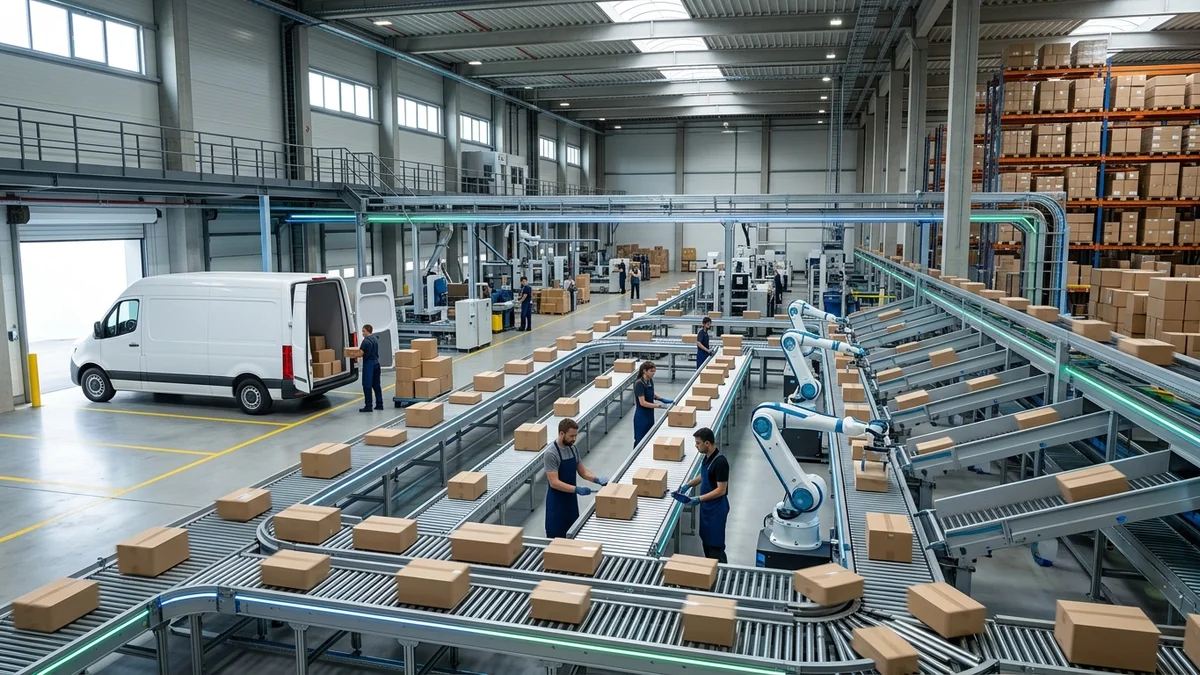
When you tap “Complete Purchase” in an online store, an automated sequence of distributed cloud services, financial settlement protocols, and robotic fulfillment operations activates instantly. Here is the exact five-stage order lifecycle:
-
Step 1: Order Placement & Real-Time Inventory Allocation:
The customer adds items to their shopping cart and submits delivery details. The e-commerce backend immediately reserves the inventory unit in the database, preventing double-selling while payment authorization begins. -
Step 2: Payment Gateway Authorization & Escrow:
Payment credentials route through a certified payment aggregator (such as Stripe, PayPal, or Adyen). The payment network validates funds with the issuing bank, applies 3D Secure fraud checks, and holds the transaction in an escrow settlement account. -
Step 3: Fulfillment Center Picking, Packing & Labeling:
The merchant’s warehouse management system (WMS) generates an automated digital pick-list. Warehouse staff or automated mobile robots retrieve the item SKU (Picking), inspect it for quality, pack it securely in protective packaging (Packing), and attach an Air Waybill (AWB) tracking barcode label. -
Step 4: Multi-Modal Global Logistics Transit:
A third-party logistics courier (such as DHL, FedEx, UPS, or regional express carriers) picks up the parcel. The package passes through automated sortation mother-hubs via air or express ground transit before reaching the local last-mile distribution facility. -
Step 5: Last-Mile Delivery & Reverse Logistics (Returns/Refunds):
The delivery courier brings the package to the customer’s door, confirming delivery with a digital scan or signature. If the customer requests a return, an automated reverse logistics ticket is generated, and a refund releases back to the original payment method upon receipt.
3. Side-by-Side Comparison: Global Marketplaces vs. D2C Stores vs. Social Commerce
Choosing the right sales channel is one of the most critical decisions for online retailers. Below is a comprehensive comparison across the three dominant e-commerce channels worldwide:
| Comparison Parameter | Global Marketplaces (Amazon / eBay) | D2C Brand Store (Shopify / WooCommerce) | Social Commerce (TikTok Shop / Instagram) |
|---|---|---|---|
| Initial Setup Cost | Low ($0 to list, $39.99/mo professional plan) | Low to Moderate ($39/mo Shopify + custom domain) | Minimal (Free to set up merchant profile) |
| Platform Commission | 8% to 15% per transaction + referral fees | 0% (Standard 2.4% + $0.30 payment gateway fee) | 5% to 8% marketplace transaction fee |
| Delivery Speed | Same-Day to 2-Day (via Fulfillment by Amazon) | 2 to 4 Days (via integrated 3PL networks) | 3 to 5 Days (Carrier drop-off) |
| Customer Data Ownership | Zero (The marketplace owns buyer email & phone) | 100% Owned (Direct email remarketing & retention) | Limited (Platform retains core user profile) |
| Best Suited For | Commoditized products, tech gear & high search volume | Premium lifestyle brands, unique fashion & beauty | Viral impulse purchases, trending items & apparel |
4. The Global Digital Payment Engine: Wallets, Gateways & Security
Seamless, secure checkout experiences are the lifeblood of e-commerce conversion rates. Today’s leading digital stores rely on a layered financial technology stack:
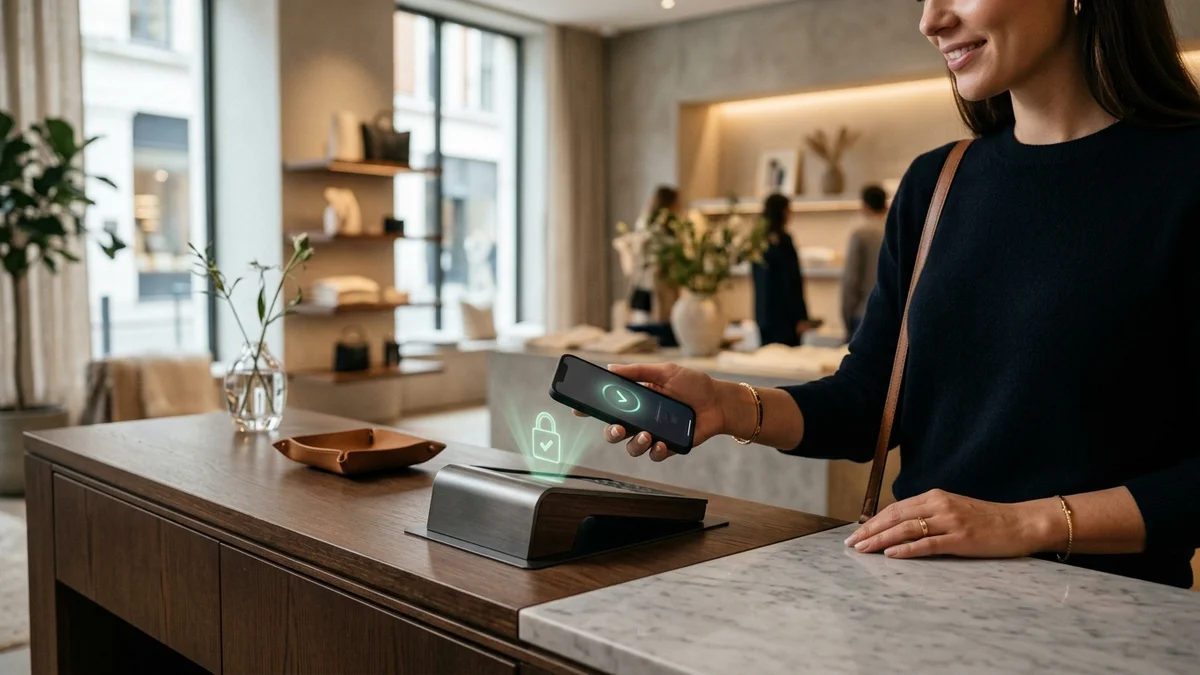
- Digital Wallets (Apple Pay & Google Pay): Account for more than 50% of global mobile checkout volume. With biometric authentication (Face ID / Touch ID), customers purchase in a single tap without manually entering 16-digit card numbers or billing addresses.
- Global Payment Aggregators (Stripe, PayPal & Adyen): Process multi-currency transactions, automatically route payments to minimize bank declines, and manage automatic recurring subscription billing.
- Buy Now, Pay Later (BNPL): Services like Klarna, Afterpay, and Affirm allow consumers to split payments across zero-interest installments while the merchant receives the full transaction amount upfront.
- End-to-End Encryption & Tokenization: Under PCI-DSS Level 1 security standards, actual credit card credentials are never stored on the retailer’s servers. Instead, randomized cryptographic tokens protect user data against unauthorized access.
5. Step-by-Step Blueprint: How to Start an Ecommerce Business Worldwide
If you are planning to launch a legitimate online brand in 2026, follow this tested step-by-step operational roadmap:
Step 1: Choose Your Product Niche & Validate Global Demand
Avoid competing on generic, mass-produced commodities with thin margins. Focus on specialized niches with clear demand, recurring purchase potential, and healthy gross margins (ideally 60%+ to comfortably cover marketing and fulfillment costs).
Step 2: Establish Your Legal Entity & Business Banking
Register your business structure (such as an LLC, Corporation, or Sole Proprietorship depending on your country of residence) and obtain an official tax ID. Open a dedicated business checking account to maintain clean separation between personal and commercial finances.
Step 3: Source from Reliable Manufacturers or Suppliers
Order product samples to rigorously inspect build quality, durability, and packaging. Establish agreements with verified suppliers via platforms like Alibaba, domestic contract manufacturers, or trusted local craft producers.
Step 4: Build Your Online Storefront (Shopify or WooCommerce)
Create a high-converting, mobile-responsive storefront on Shopify or WooCommerce. Invest in high-resolution product photography, clear size guides, customer review widgets, and straightforward shipping policies.
Step 5: Connect Payment Gateways & 3PL Shipping Solutions
Enable multi-currency checkouts via Stripe, PayPal, or Shopify Payments. Partner with automated shipping solutions (such as ShipBob, ShipStation, or DHL Express) for discounted postage rates and automatic tracking notifications.
Step 6: Drive Targeted Customer Acquisition with Paid Ads & SEO
Drive qualified buyer traffic through targeted Meta Ads (Instagram & Facebook), Google Performance Max shopping campaigns, TikTok video creative, and organic search engine optimization (SEO).
6. Realistic Startup Cost Breakdown (in US Dollars $)
Here is an honest, transparent breakdown of the minimum initial investment needed to launch an independent e-commerce brand:
| Expense Category | Bootstrap Budget (Low Cost) | Recommended Professional Budget | Frequency |
|---|---|---|---|
| Custom Domain & Business Email | $15 – $25 / year | $40 / year (Custom .com + Google Workspace) | Annual Renewal |
| E-Commerce Platform (Shopify / Hosting) | $1 (Shopify Trial Promo) | $39 / month (Basic Shopify Plan) | Monthly |
| Initial Product Inventory Batch | $400 – $800 | $2,000 – $5,000 | One-Time (Reinvested from revenue) |
| Packaging & Label Supplies | $75 – $150 (Standard mailers & boxes) | $300 – $600 (Custom branded eco-packaging) | Variable Cost |
| Initial Marketing & Ad Spend | $250 – $500 ($15/day creative testing) | $1,000 – $2,500 ($50/day scaling) | Monthly Working Capital |
| Total Estimated Minimum Capital | $741 – $1,476 | $3,379 – $8,179 | Initial Seed Investment |
7. Cross-Border Commerce: How Global Brands Sell Internationally
Modern e-commerce allows a boutique brand based in one country to easily sell to customers on the opposite side of the planet. Three key technological breakthroughs have made international selling seamless:
- Localized Multi-Currency & Dynamic Pricing: Modern platforms automatically detect the visitor’s country, displaying local currencies with automatic foreign exchange calculation and transparent tax inclusions.
- DDP Shipping (Delivered Duty Paid): Historically, international shoppers faced unexpected import duties upon parcel arrival. With modern DDP shipping APIs, customs duties and import taxes are calculated and collected during checkout, guaranteeing zero customs surprises at the door.
- Distributed Global Fulfillment Hubs: Leading 3PL networks allow brands to store inventory in regional warehouses across North America, Europe, the UK, and Asia-Pacific, cutting international delivery times down to 2–3 business days.
8. Frequently Asked Questions (FAQs)
What is the difference between an e-commerce platform and a marketplace?
An e-commerce platform (such as Shopify or WooCommerce) is software that powers your own independent website where you control the branding, customer relationships, and data. An online marketplace (such as Amazon or eBay) is a massive digital shopping mall where multiple third-party sellers list products alongside competitors in exchange for platform commission fees.
Can I start an e-commerce business without holding physical inventory?
Yes. Through business models like Dropshipping or Print-on-Demand (POD), you market products on your online store; when a customer orders, your supplier manufactures, packs, and ships the product directly to the customer. While this lowers upfront inventory risk, profit margins are generally lower than holding private-label inventory.
How do online stores keep credit card information secure?
E-commerce stores rely on SSL/TLS encryption and certified Level-1 PCI-DSS payment gateways. Raw credit card data is never saved on the merchant’s database; instead, secure tokenization replaces card numbers with randomized alphanumeric tokens that are useless to hackers.
What is a healthy profit margin for an e-commerce brand?
Successful direct-to-consumer e-commerce brands typically aim for a gross profit margin between 60% and 75% on manufacturing costs, which leaves approximately 15% to 25% net profit margin after accounting for digital ad spend, shipping, payment gateway fees, and operating expenses.
Narayan Behera
Founder & Chief Editor at BloggersDime. Narayan specializes in AI productivity workflows, modern software benchmarks, digital business strategy, and consumer technology guides for readers worldwide.